
What is occupational therapy and how does it differ from physiotherapy in hand therapy?
Are you looking for physiotherapy in Schladming, Ramsau, Haus or Radstadt and wondering whether occupational therapy might suit you better? Here you can read what occupational therapy is, which specialties it works in and how it differs from physiotherapy.
What is occupational therapy?
Occupational therapy supports people of all ages in carrying out everyday activities as independently as possible, or partly independently. Accidents, illnesses, injuries or certain life events can make this impossible or only possible to a limited extent.
This is where occupational therapy comes in. It looks at which skills and which physical, mental or psychological functions are needed for particular activities. We train and promote these in a targeted way so that they can be used in everyday life. Depending on the starting situation, the aim is to develop, improve or regain abilities.
In chronic illnesses, the focus is often also on maintaining existing abilities, functions and independence. By the way, the German word for occupational therapy, Ergotherapie, derives from the Greek word “ergon”, which means doing, action, work. The philosophy of occupational therapy is that being active has a healing effect when people do what they want, wish or need to do. This can include everyday, work-related or leisure activities.
What does occupational therapy involve in each specialty?
Orthopaedics and hand therapy
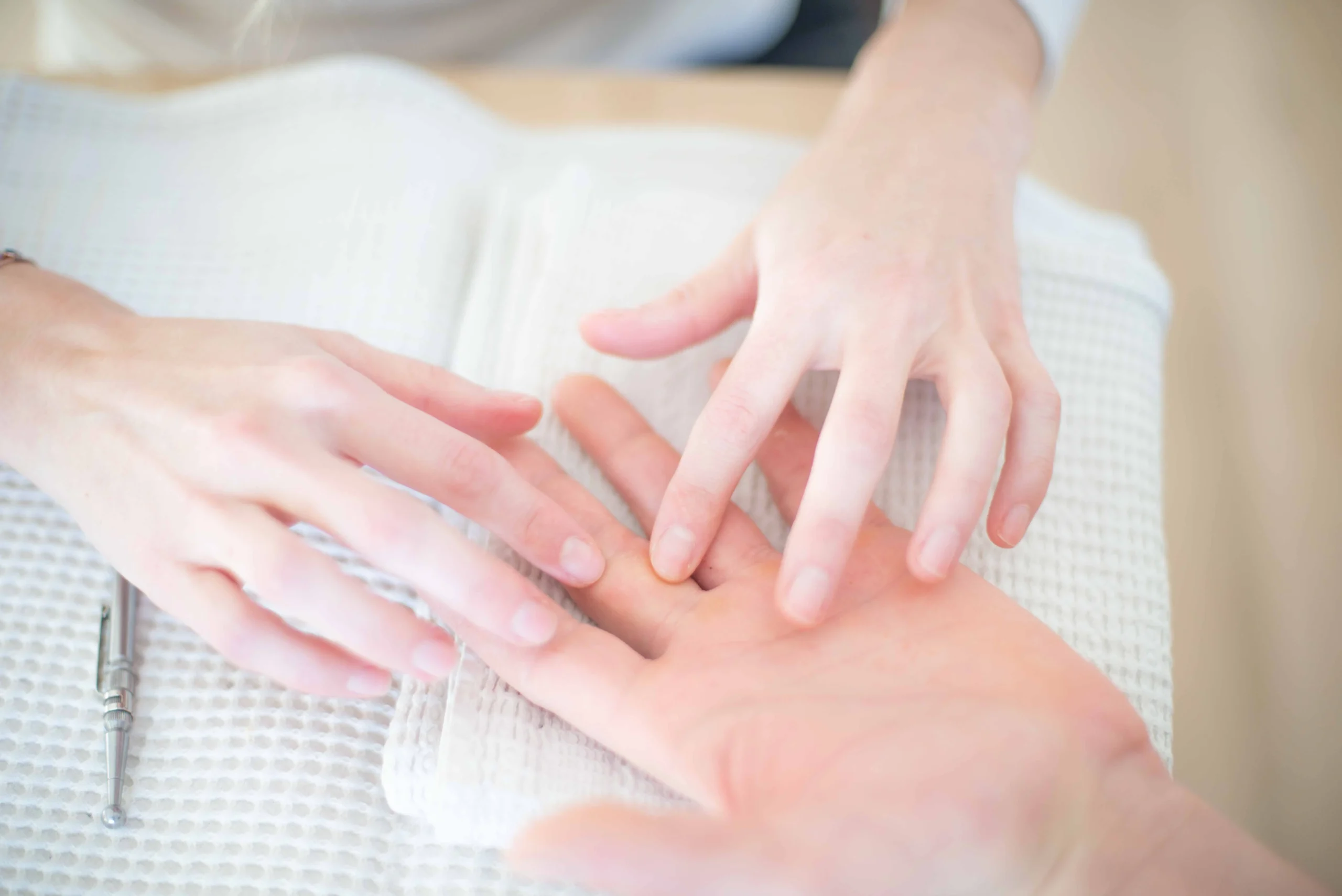
Occupational therapy supports people after injuries, operations and in conditions of the musculoskeletal system. A particular focus is on restoring hand and arm function.
- Scar treatment and oedema management
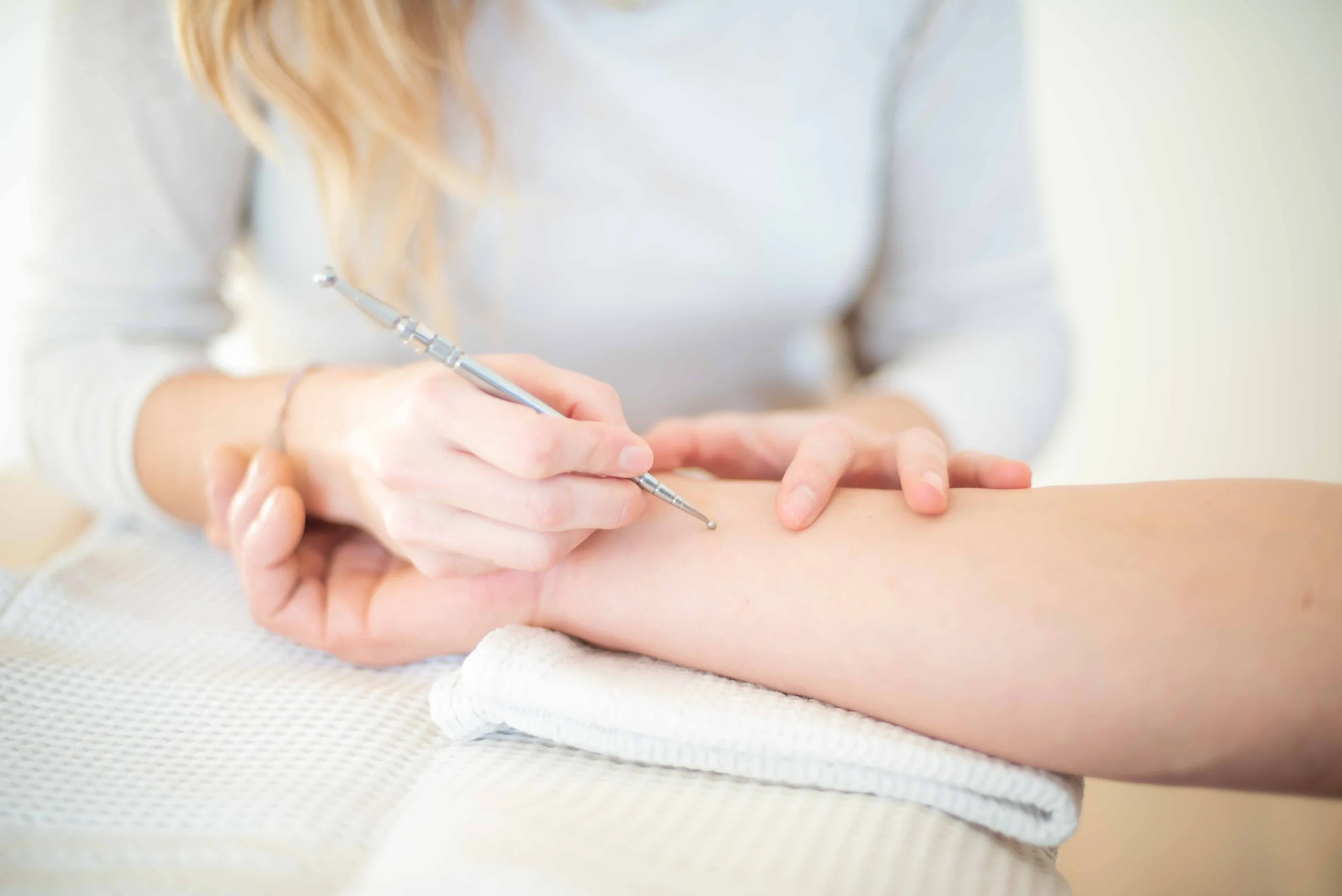
- Making and fitting individual splints and advice on bandages, among other things
- Sensitivity training and desensitisation
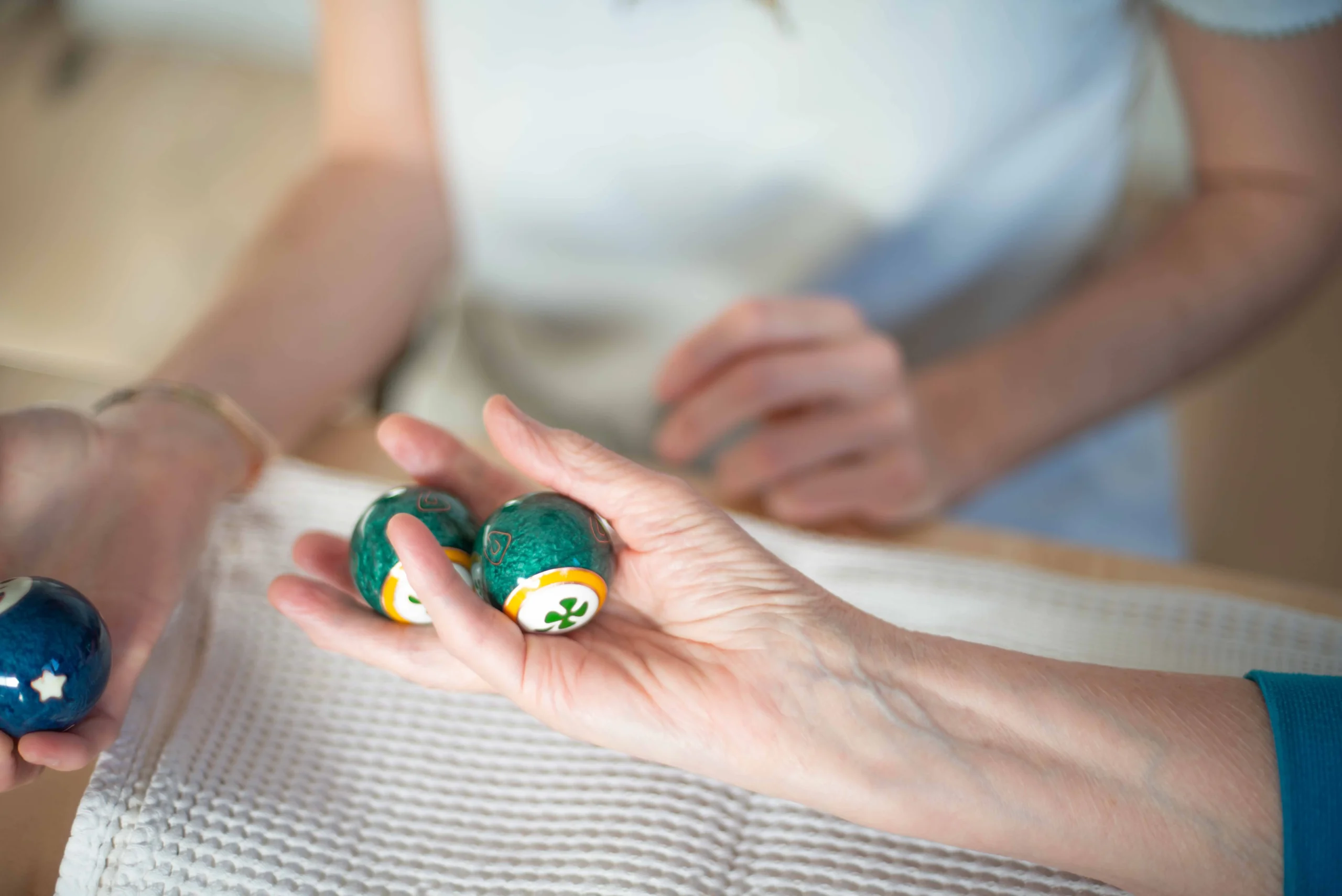
- Improving mobility, strength and fine motor skills
- Treatment of hand and finger function disorders
- Joint protection advice and provision of assistive devices
- Training specific everyday activities such as dressing, writing, cooking and gripping
Neurology
Occupational therapy accompanies people with diseases or damage to the nervous system, for example after a stroke, in multiple sclerosis, Parkinson’s disease or traumatic brain injury.
- Training of arm and hand functions
- Improving coordination and balance
- Promoting perception and body awareness
- Training everyday activities such as dressing, eating and personal hygiene
- Promoting cognitive skills such as concentration, memory and planning
- Coping with limitations and learning compensation strategies
Paediatrics (children’s medicine)
Occupational therapy supports children who have difficulties in their development, perception, motor skills or ability to act.
- Promoting fine and gross motor skills
- Improving pencil grip and graphomotor skills
- Promoting body awareness and sensory processing
- Training concentration, attention and action planning
- Promoting independence in dressing, eating and personal hygiene
- Support with difficulties in social behaviour and emotion regulation
- Promoting play, learning and everyday skills
Psychiatry
Occupational therapy helps people with mental illnesses and burdens to cope better with their everyday lives again. The focus is on how the mental illness affects daily life – for example daily structure, dealing with other people, work, leisure activities or self-care. Together, skills and strategies are developed and trained that help to manage everyday life, activate existing strengths and improve quality of life.
- Promoting self-confidence and self-efficacy
- Training concentration, endurance and resilience
- Building daily structure and routines
- Promoting social skills
- Learning strategies for stress management and emotion regulation
- Promoting creativity and means of expression
- Support with professional and social reintegration
Geriatrics (care of older adults)
Occupational therapy supports older people in keeping their independence and quality of life for as long as possible.
- Promoting mobility and manual dexterity
- Training everyday activities and self-care
- Fall prevention and promoting balance
- Training memory, concentration and orientation
- Advice on assistive devices and home adaptation
- Support in dementia-related conditions
- Maintaining existing abilities and resources
What connects all specialties
Occupational therapy does not only look at individual physical, mental or psychological functions, but always also asks: What does a person want and need to be able to do in their everyday life – and what do they need to manage that as independently as possible?
That is the key difference in the occupational therapy perspective: we work towards enabling people to take part in everyday life, working life and social life as self-determined as possible again, depending on what is important to them and what they want or need to do.
What is the difference between occupational therapy and physiotherapy in hand therapy?
In orthopaedics and hand therapy, the difference is not really clear from the outside. Hand therapy has become a specialised field of its own within occupational therapy. Targeted further training and specialisation have produced a wide range of treatment options that go far beyond classic mobility and strength training.
Individual splinting, which some occupational therapists offer, deserves particular mention, as does advice on assistive devices. Scar treatment and targeted training of complex hand functions are important areas of focus. A professional distinction matters here: hand therapy is not exclusively occupational therapy. Physiotherapists can also specialise in it. What matters is therefore not only the basic profession, but the relevant additional qualification and practical experience.
Is occupational therapy right for you?
Call or write to me. You can find more about my services, the prescription and reimbursement here: